Independent archaeology publicationMaterial culture / field records / places
Find/spot
An object becomes evidence through its relationships: the layer beneath it, the wall beside it, the fragments found nearby, and the record made before anything moved.
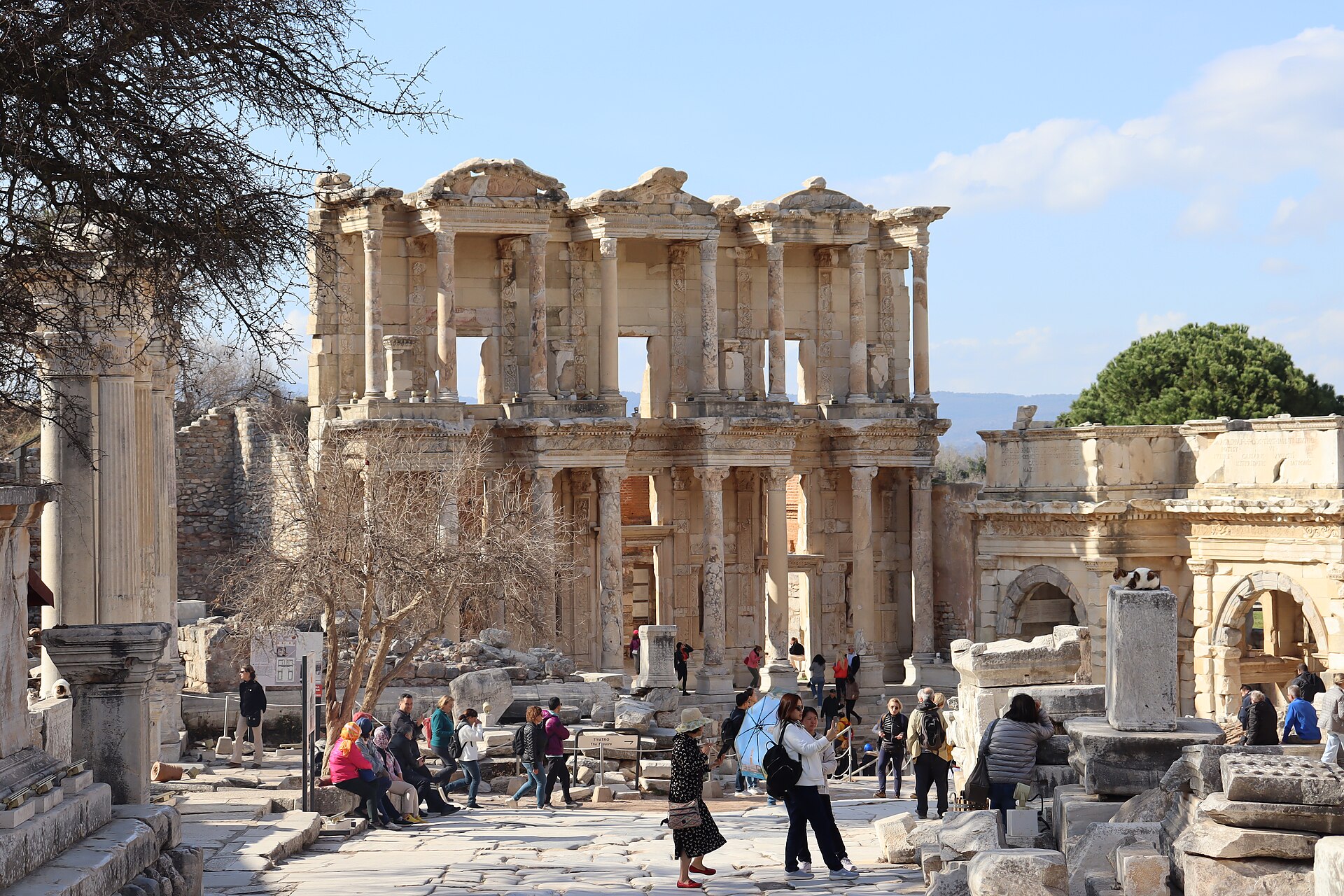
Fig. 01 / Ephesus, western AnatoliaArchitecture survives as material, repair, and interpretation.
Issue focusReading the built layerc. 7400 BCE–2nd century CE
At Çatalhöyük, excavation reads a building one surface at a time.
The Neolithic settlement is formed from closely packed mud-brick buildings rebuilt over generations. Its value lies not in a single spectacular find, but in repeated floors, blocked openings, hearths, burials, fills, and repairs that preserve the tempo of domestic life.
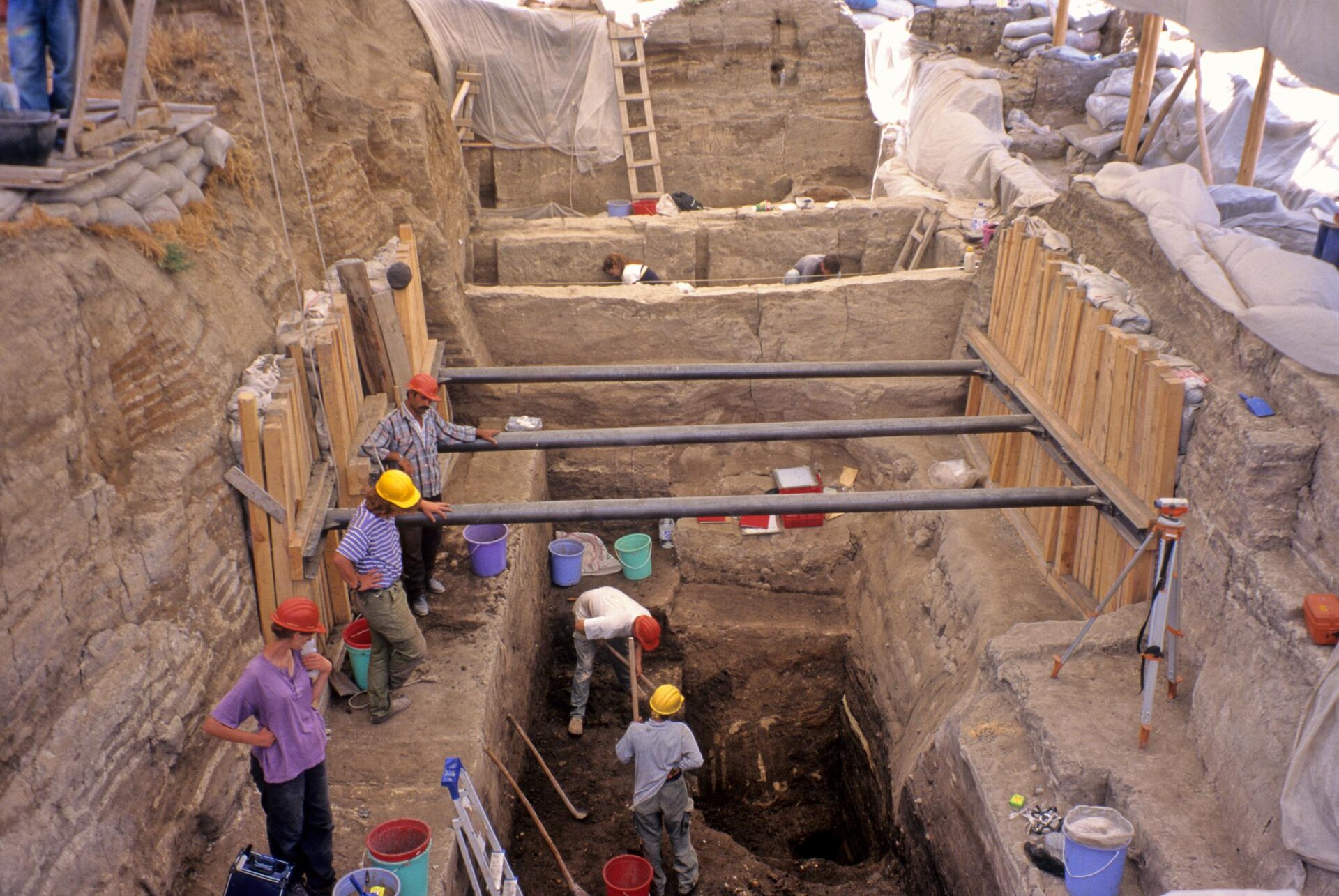
Field frame 01A deep trench exposes successive construction phases; each face must be supported, drawn, photographed, and described.
01 / The building sequence
A wall is not simply “old.” It may belong to one building phase, be cut by a later installation, and stand above a filled room from an earlier occupation.
Excavation proceeds by context. Archaeologists identify a deposit or feature, define its edges, record its relationship to adjacent contexts, and remove it under controlled conditions. Soil, ceramic fragments, animal bone, botanical remains, plaster, and construction material enter separate but connected records.
At Çatalhöyük, houses were maintained and rebuilt in ways that created dense sequences. Floors could be replastered many times. Some platforms contained burials. When a building went out of use, its interior might be filled before another structure was raised above it. The resulting stratigraphy is a history of decisions rather than a stack of uniform dates.
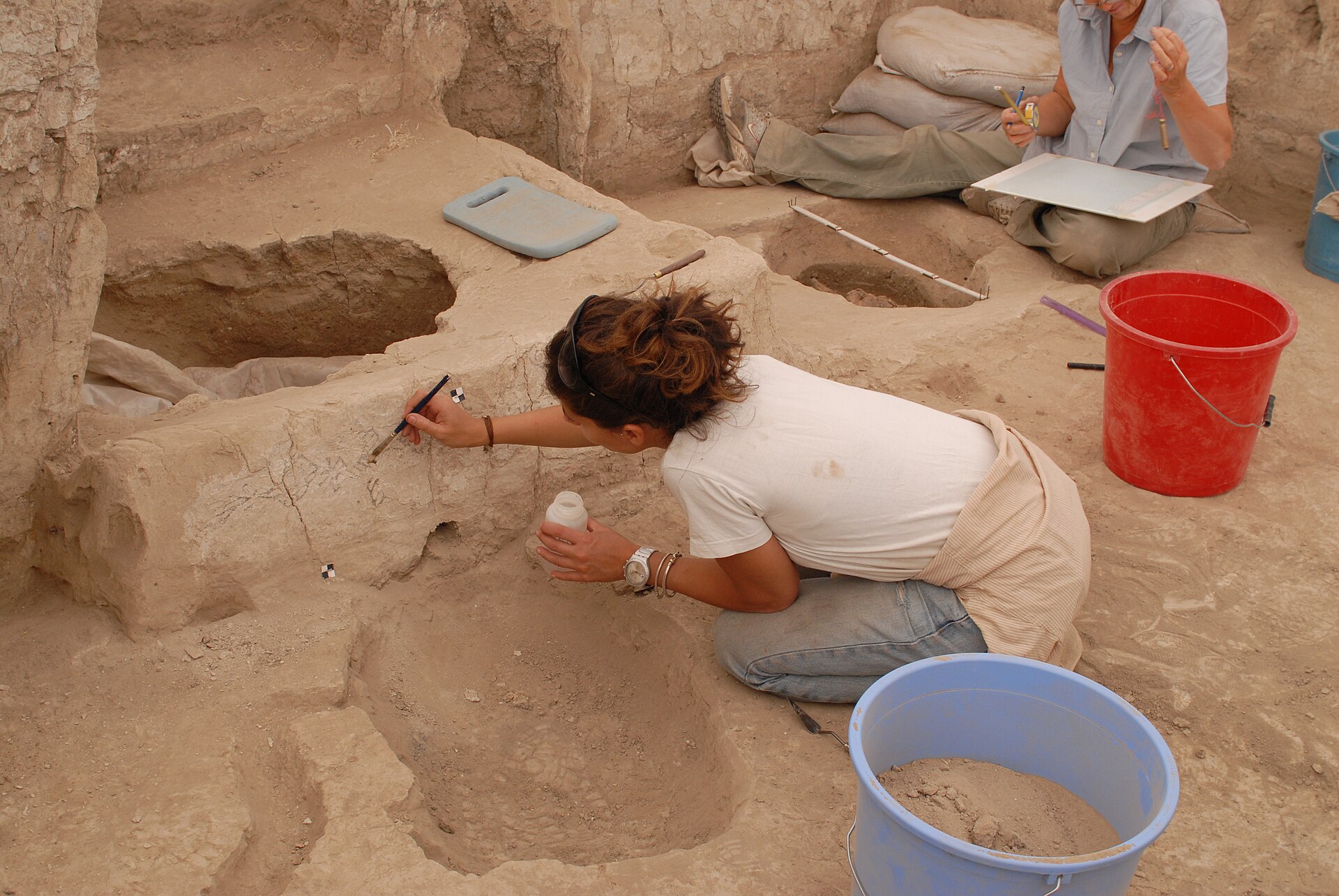
Field frame 02Conservation and recording happen during excavation, not after the context has disappeared.
Object study / Painted ceramic
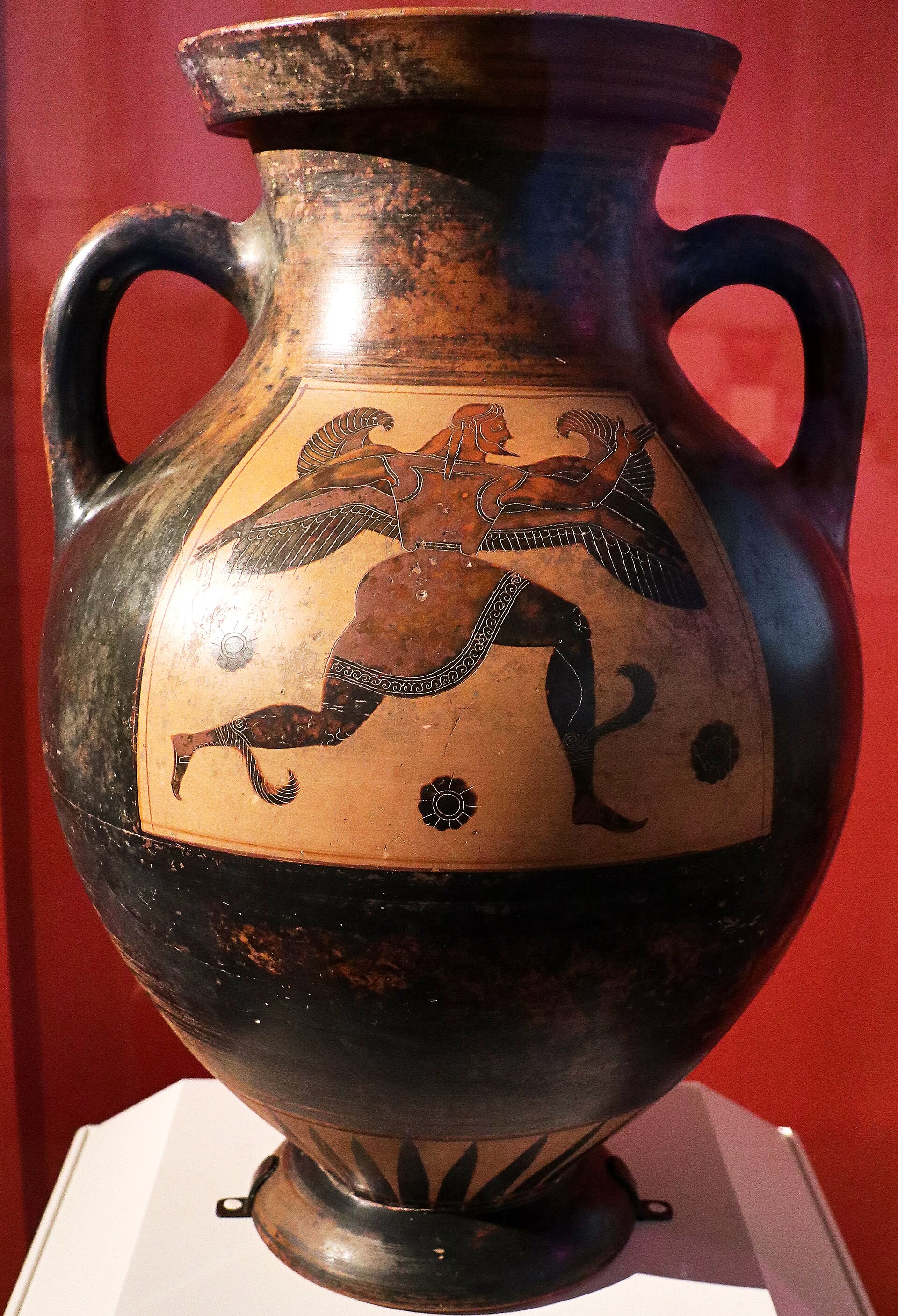
A vessel is shape, surface, use, repair, and findspot.
Attic black-figure amphora, about 570 BCE. National Archaeological Museum, Athens.
Object / 01
Type
Amphora
Period
Archaic Greek, about 570 BCE
Material
Fired clay with black-figure decoration
Recorded findspot
Area of Plato’s Academy, Athens
Function
Container form; individual use is not secure from appearance alone
The vessel’s profile places it within a ceramic tradition. Surface treatment and painted technique support comparison. Wear, residue, repair, and archaeological context would carry different kinds of evidence.
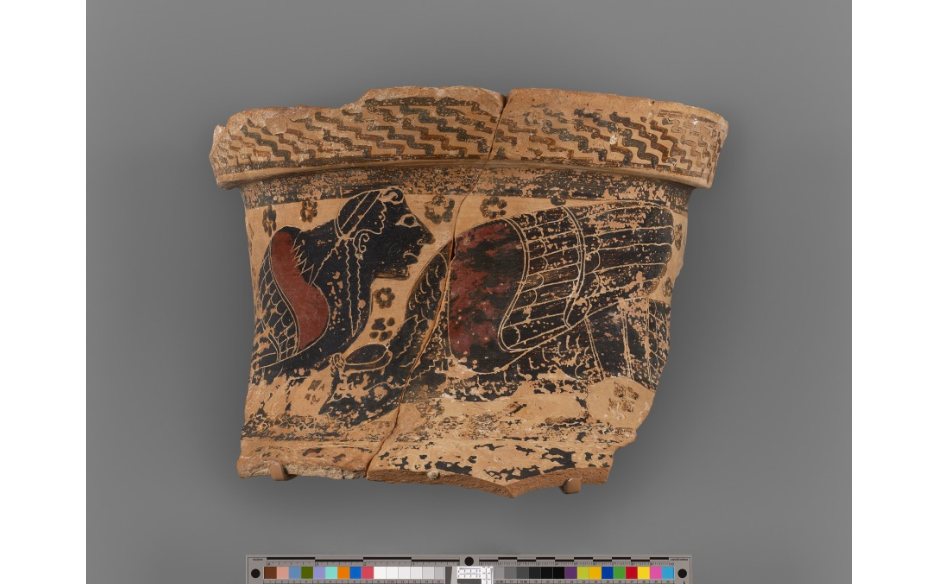
Comparative viewJoined sherds preserve part of a painted scene. The breaks are not visual noise; they document the object’s material history.
Method note / Provenience and association
Without context, an object keeps its material but loses much of its meaning.
A ceramic fragment can be dated by fabric, form, or decoration. Its archaeological force grows when we also know where it lay, what deposit contained it, what touched that deposit, and whether later activity disturbed the sequence.
Context connects evidence. A coin in a sealed floor deposit can help establish when that floor was laid or abandoned. The same coin in mixed topsoil has a different interpretive value. Nearby architecture, animal bone, charred seed, plaster, and other pottery may turn an isolated object into evidence for storage, cooking, craft, exchange, or disposal.
Diagram / Hypothetical trench section
ATopsoilMixed and recently disturbed
BLater cutBreaks the layers below
COccupation depositCeramic, ash, bone
DCompacted floorA surface in use
ENatural subsoilNo cultural deposit
1
2
01
Position
Was the find embedded in a floor, placed in a pit, left in collapse, or redeposited in later fill?
02
Relationship
Which wall, surface, cut, or deposit came first? Stratigraphy is built from these relative relationships.
03
Association
Which materials occurred in the same secure context, and do they represent use, storage, destruction, or disposal?
04
Integrity
Roots, burrowing, ploughing, construction, and earlier excavation can move material from its original position.
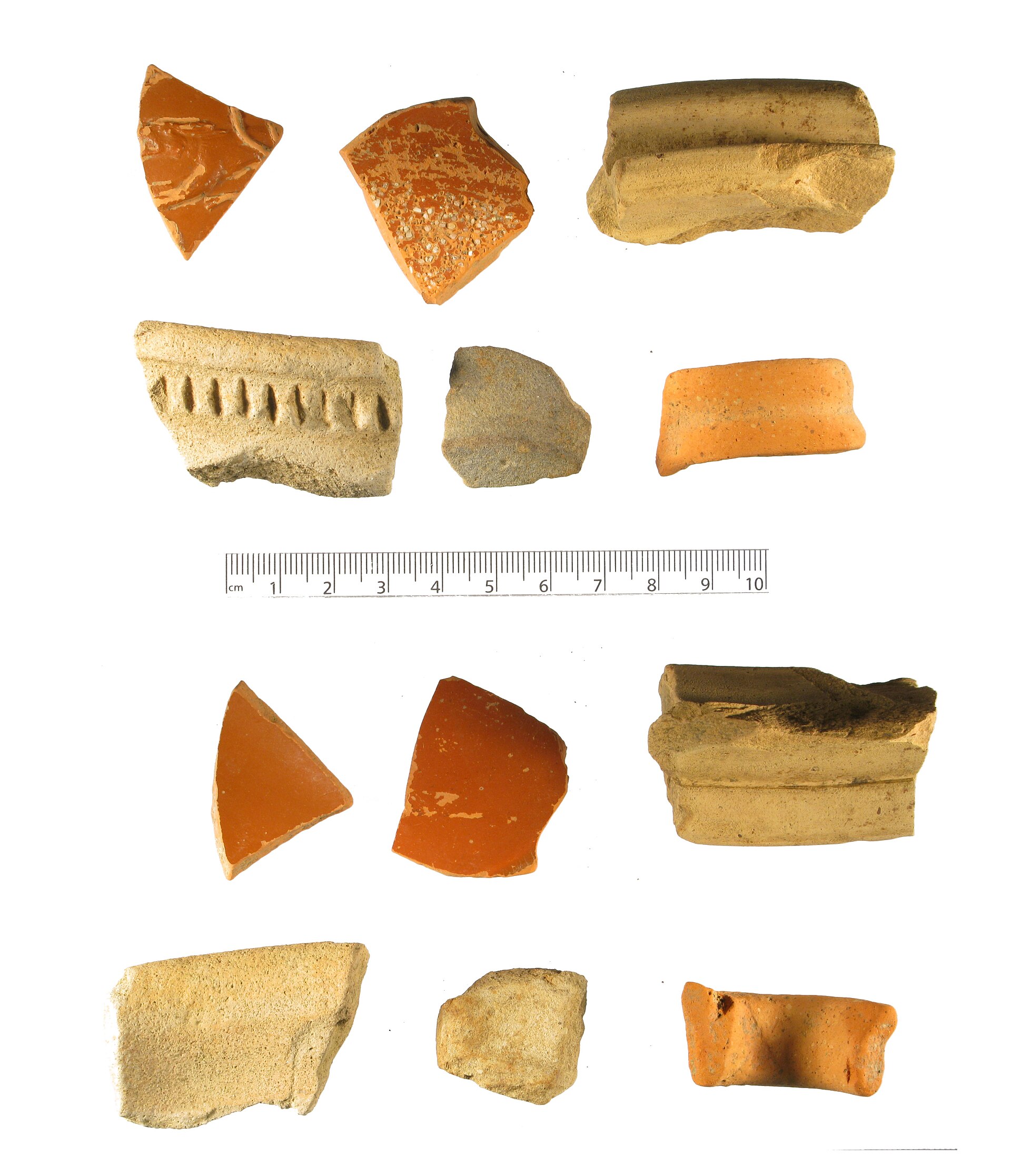
Recorded groupPottery sherds documented together. Fabric, surface, form, weight, and association all contribute to analysis.
Chronology / Anatolia and the Aegean
A long sequence, read through uneven survival.
Chronological labels are working frameworks. Dates vary by region, and material traditions do not change everywhere at once.
Neolithic Çatalhöyük
Mud-brick buildings, repeated plaster surfaces, household installations, burials, and dense rebuilding preserve a long settlement sequence.
Bronze Age Aegean
Palatial centers, towns, farms, ports, ceramics, sealings, and writing systems record varied societies across Crete, the islands, and the mainland.
Akrotiri in use
Streets, multi-storey buildings, storage vessels, wall paintings, and volcanic burial provide an unusually extensive view of a Cycladic settlement.
Archaic to Hellenistic worlds
Changing civic institutions, sanctuaries, settlement networks, craft production, and exchange appear in architecture and portable material.
The Library of Celsus
Built at Roman Ephesus as both library and funerary monument, its facade reflects the city’s public architecture under imperial rule.
Sites / Built evidence
A site is not a frozen city.
Occupation, abandonment, stone reuse, excavation, consolidation, and reconstruction all shape what visitors see.
Akrotiri / Santorini, Greece
Bronze Age Cyclades
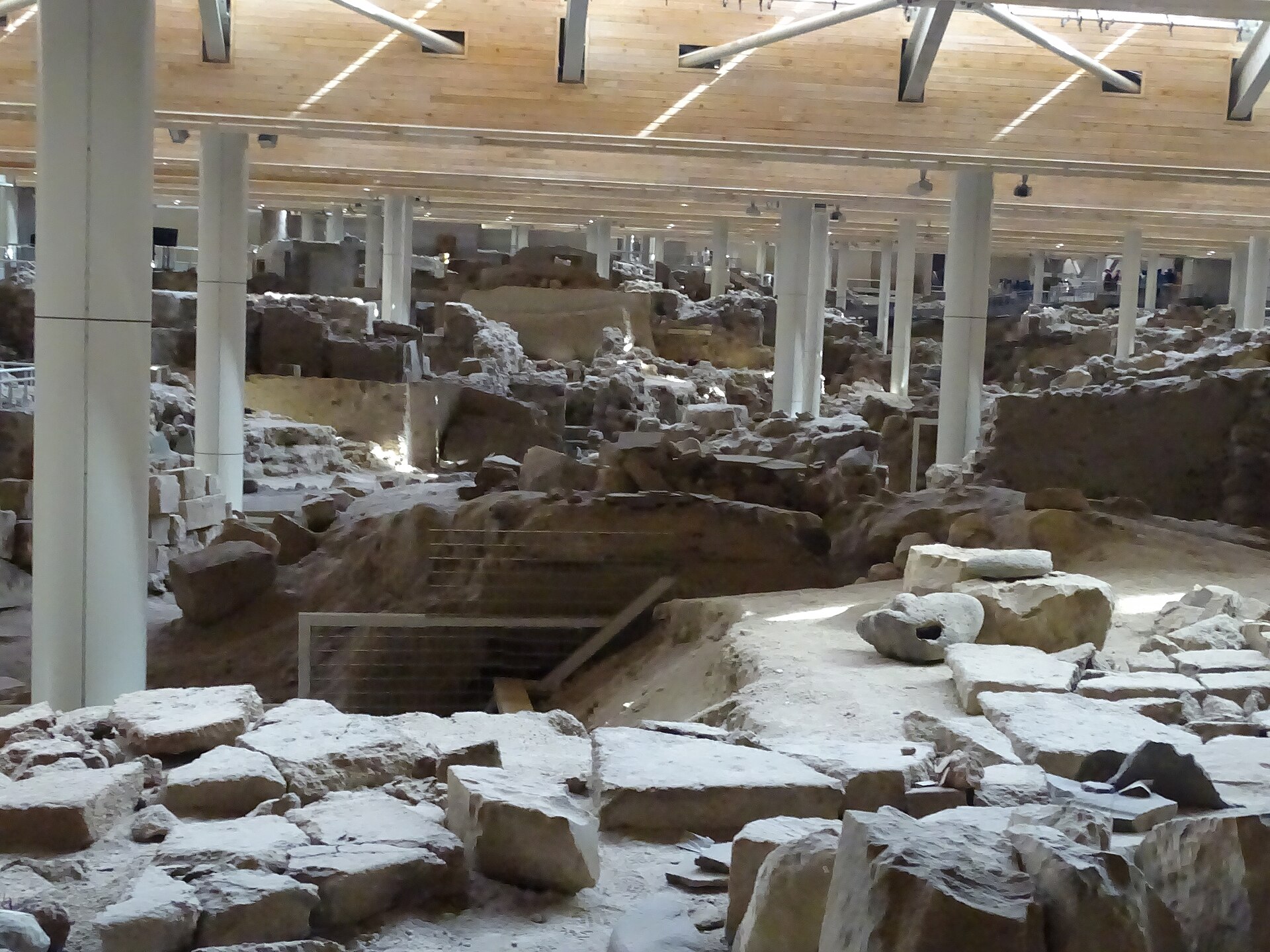
Akrotiri
Volcanic deposits covered a settlement of streets, rooms, storage areas, and wall paintings. The shelter visible today is part of the site’s modern preservation history.
Knossos / Crete, Greece
Bronze Age Crete
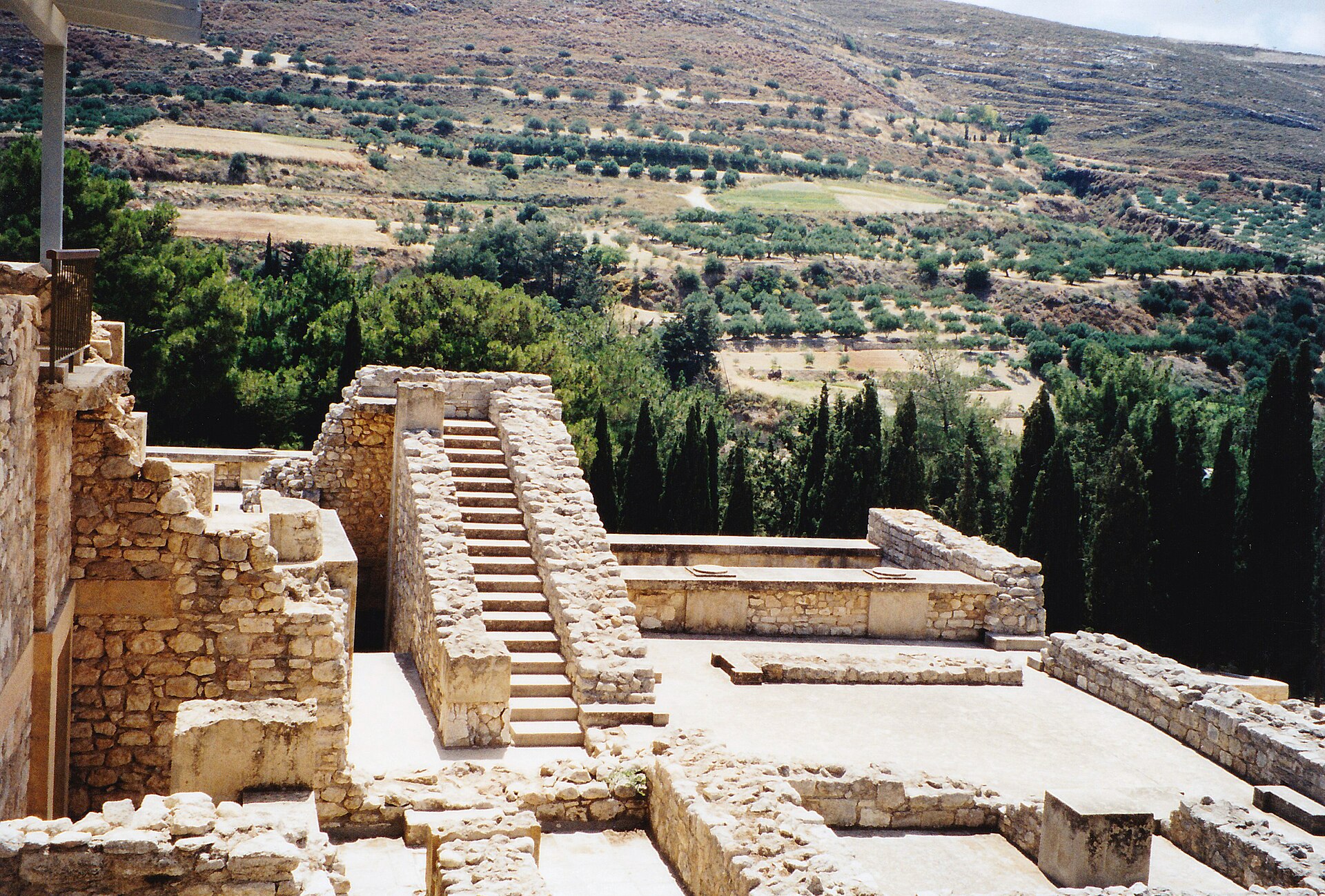
Knossos
The large architectural complex has a long occupational history. Early twentieth-century reconstruction remains highly visible, so ancient fabric and modern intervention must be read together.
Site 03 / Western Anatolia
Ephesus
The Hellenistic and Roman city preserves streets, houses, public buildings, inscriptions, and water infrastructure. Its present form also records stone removal, collapse, excavation, and anastylosis.
Primary view
Urban architecture
Key caution
Visible monuments represent only part of the settlement
The archaeological record is not a cabinet of exceptional things. It is a set of relationships among materials, deposits, structures, landscapes, and the acts that changed them.
Field methods / A record before removal
Excavation is controlled destruction. Recording makes the sequence available for study.
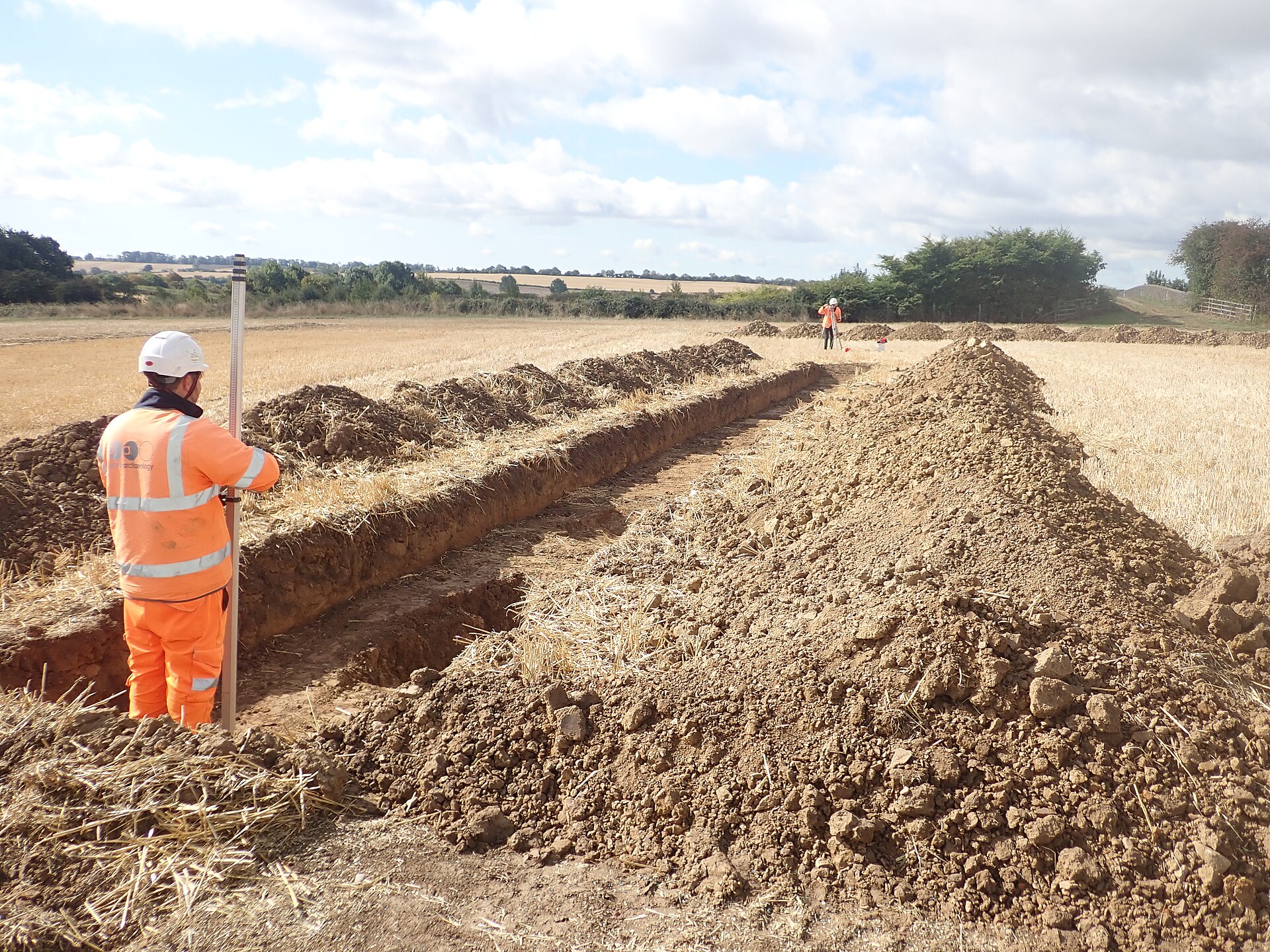
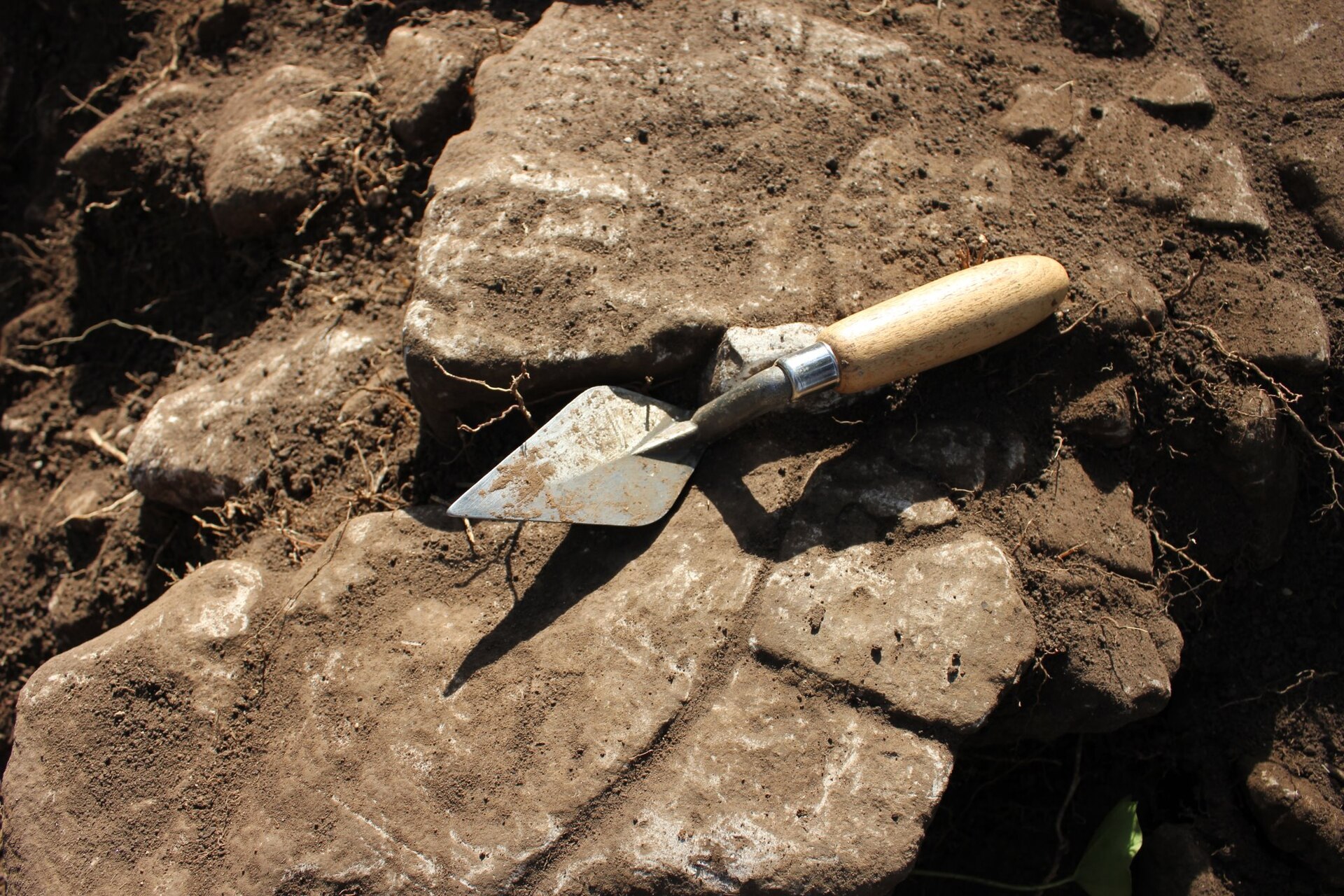
Method frame 01 / SurveyMeasured position connects a feature to its trench, site grid, and wider landscape.Tools are selected for the deposit, not for theatrical effect.
01
Survey
Maps features and surface material before excavation, from measured walking transects to geophysical and topographic work.
02
Excavation
Removes deposits in a controlled order while retaining material by context and documenting every exposed relationship.
03
Stratigraphy
Establishes relative sequence: which layer covered another, which cut came later, and where a surface remained intact.
04
Photography and drawing
Record scale, geometry, color, texture, and association. Each format preserves information the other may miss.
05
Flotation
Uses water to separate light botanical remains from soil, making small seeds and charcoal available for analysis.
06
Conservation
Stabilizes vulnerable material in the field and laboratory. Treatment begins with the object’s condition and future environment.